
When You Don’t Fit the ATTR-CM Mold

Interested in growing ATTR awareness? Don't forget to enter our giveaway this month for an amyloidosis awareness water bottle and gift card for Cushion Lab.
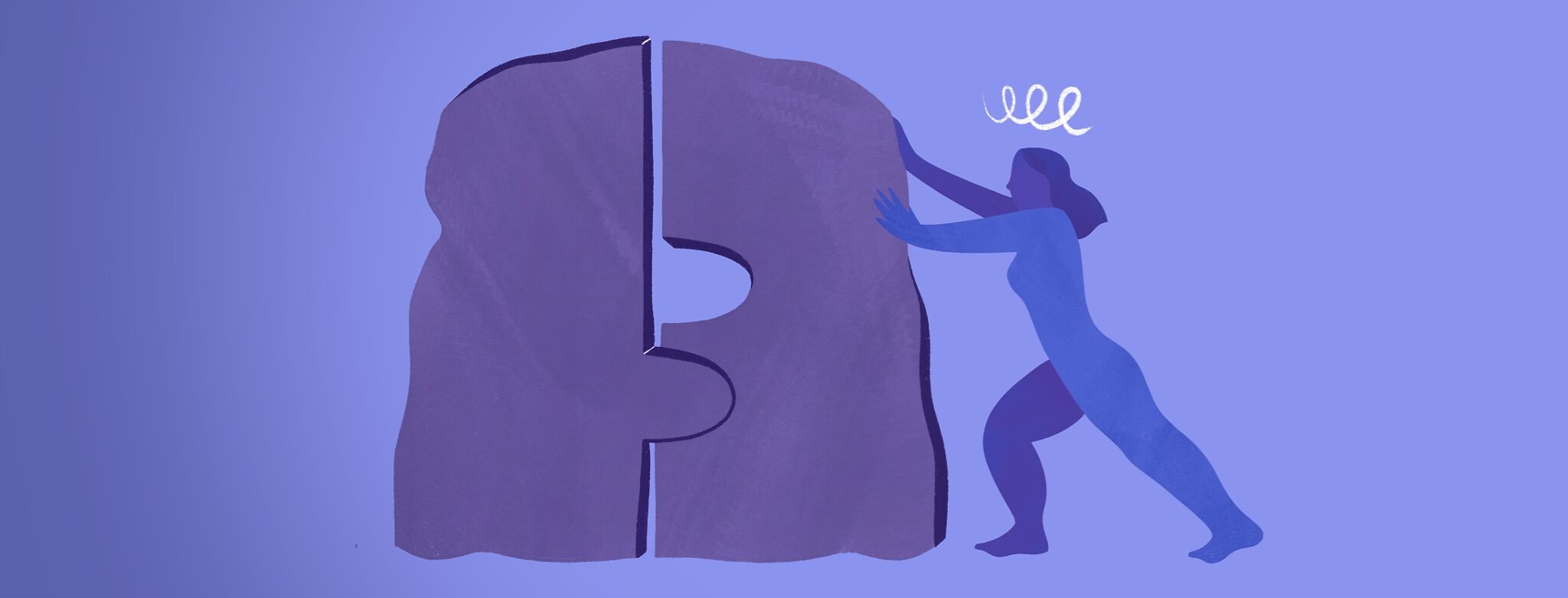
I don’t fit the mold.
Rethinking the ATTR profile
When people picture ATTR-CM, they often imagine an older man, maybe someone who has lived a long, full life before this rare disease enters the story. That picture isn’t me. I am young. I am white. I am female. And I am living with hATTR – five letters that most of the world has never heard, yet those letters have rewritten my entire life.
ATTR-CM is a word that took my father’s life. It is the same word now stamped across my own medical chart. A word that follows me into every appointment, every test, every quiet moment when my body feels heavier than it should. It’s a word that doesn’t care how old I am, what I look like, or whether I “fit” the expected profile.
I've been told I don't belong
Yet too often, even within the ATTR community itself, I’m told - directly or indirectly - that I don’t belong.

- “You’re too young.”
- “You probably don’t understand yet.”
- “Are you sure it’s really that bad?”
I understand more than I ever wanted to.
I understand that rogue proteins don’t follow human rules. I understand that DNA doesn’t pause and say, She’s only 48, let’s wait. Transthyretin doesn’t politely fold the way it’s supposed to. It misfolds. It breaks apart. It deposits itself where it doesn’t belong - my heart, my nerves, my body - quietly and relentlessly.
ATTR doesn’t ask permission. It doesn’t check demographics. It doesn’t care about age, gender, or skin color. It just attacks.
Fatigue, loneliness, and isolation
Living with hATTR-CM means living with fatigue that doesn’t go away with rest. It means legs that feel weaker, days that feel heavier, and a future that often feels uncertain. It means watching your body change in ways that aren’t visible enough to be believed, yet are profound enough to alter everything.
What makes it harder is the loneliness.
There is a particular kind of isolation that comes from fighting a disease most people have never heard of. And there is an even deeper loneliness that comes when your own community - the one you hoped would understand - doesn’t fully make room for you because you don’t match the expected image.
Featured Forum
View all responsesFighting to belong
I have sat in spaces meant for support and felt invisible. I have listened as stories like mine were brushed aside, minimized, or questioned. Not out of cruelty, but out of misunderstanding. Still, the impact is the same. It leaves you feeling like you’re fighting on two fronts: against the disease itself, and against the disbelief surrounding it.
This disease already takes so much. It takes energy. It takes strength. It takes certainty. It shouldn’t also take belonging.
Featured Forum
View all responsesATTR awareness is necessary
ATTR-CM needs more faces, more voices, more stories that don’t look the same. It needs people to understand that rare does not mean impossible, and young does not mean immune. It needs room for daughters who watched their fathers die from this disease - and are now walking the same path themselves.
I may not fit the mold.
But I am here.
I am diagnosed.
I am living with hATTR-CM.
And my story matters.
Paint a more inclusive picture
If we want awareness to grow, if we want earlier diagnosis and better understanding, then we must widen the picture of what ATTR-CM looks like. Because sometimes the most important stories are the ones that don’t match expectations - and refusing to see them only deepens the silence for those already carrying far too much.
Join the conversation