
I Believe in Research. So Why Was I Hesitant to Join a Trial?

To everyone touched by transthyretin (ATTR) amyloidosis; through diagnosis, genetics, or love, come sit with me for a moment.
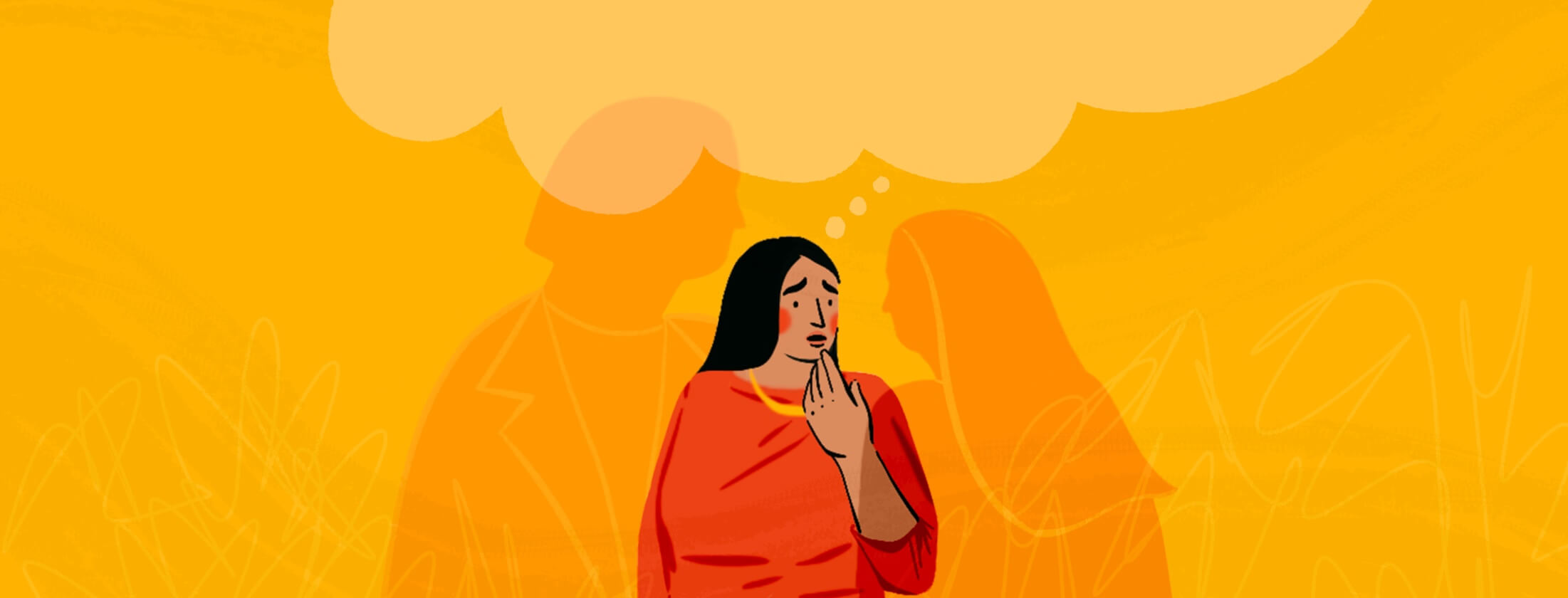
I believe in research. So why was I hesitant when my care team suggested I consider a clinical trial?
How I found out about a clinical trial
The conversation happened during my annual follow-up at the amyloidosis center.
"I know we didn't discuss this during your visit, and I'm sorry to bring it up now," the nurse practitioner said. "During our team discussion about your case, we thought you might want to consider a particular clinical trial."
She was thoughtful and gentle in her approach. There was no pressure, just information and an opportunity to think about it. Still, I was caught off guard.
Not because I don't understand clinical trials. Much of my career has been spent in clinical research. I've seen therapies move from investigational products to approved treatments, and I've watched patients in numerous therapeutic areas benefit greatly.
My perspective as a TTR gene carrier
I am a carrier of the V122I TTR mutation. I have some symptoms and a family history, but years of testing have been largely negative, borderline, or inconclusive. When I asked whether I would even qualify for the trial, the answer was "maybe."
That simple word opened the door to much bigger questions.
Was I still a gene carrier? Was I an early-stage patient? Was I something in between?
If I believe so strongly in research, why was I feeling conflicted?
It was not the trial itself. It was the uncertainty of where I actually am in this journey.
Featured Forum
View all responsesWhat does this mean for my health?
Joining the study felt like more than agreeing to participate in research. It felt like stepping closer to a diagnosis that no one seemed fully prepared to give me. If I qualified, what exactly would that mean?
Was I acknowledging ATTR amyloidosis with polyneuropathy despite prior inconclusive testing?
Or was I allowing my fear of the unknown becoming the known to prevent me from pursuing an opportunity to potentially intervene early?
Like many people facing difficult healthcare decisions, I started gathering information, asking questions, and talking with people I trusted.
How my doctor and I communicate matters
My plan was simple: complete the MRI of my neck as recommended by my care team, better understand the source of my worsening arm weakness, and then make a decision.
Unfortunately, things didn't go according to plan. The MRI recommendation was sent to my primary care office. Appointments were canceled. Follow-up testing stalled. March became April, and April became May.
During that time, I continued wrestling with the decision.
Eventually, I had the opportunity to communicate with one of my amyloidosis physicians. What followed was exactly the kind of dialogue every patient deserves. We discussed the uncertainty, my concerns, and what was known versus what remained unanswered. We talked about the reality that my symptoms were subtle, my testing remained largely inconclusive, and there were still questions that had not been answered.
Ultimately, we arrived at the same conclusion.
The answer wasn't "never." It was "not now."
I arrived at that decision through a collaborative conversation with a physician I trust.
Neither of us felt there was enough evidence to confidently place me into a category that my testing had not clearly demonstrated. For now, the plan was continued monitoring, remaining on my current treatment, and continuing to learn as we go.
I left that conversation feeling relieved. Not because I suddenly had all the answers, but because I had been heard.
This or That
Do you feel comfortable talking with your doctor?
Why trust determines whether people choose to join ATTR research
As I reflected on the experience, I realized something important about trust.
When people talk about Black communities and research participation, the conversation often starts with the Tuskegee Syphilis Study or Henrietta Lacks and her cells. Those stories matter, but trust is not built or broken only by history.
Sometimes trust is shaped by our own experiences.
In my twenties, I sought emergency care because my stomach hurt. Twice I was told I was fine and sent home with explanations that included "women's issues."
The problem was that "women's issues" wasn't the diagnosis.
The diagnosis was a small bowel obstruction that ultimately required emergency surgery and nearly cost me my life.
Experiences like that stay with you.
Years later, my father developed serious heart disease before receiving a diagnosis of hereditary ATTR amyloidosis. After his diagnosis, I learned I carried the same genetic mutation. Along the way, there were times when concerns I raised about my own health were initially brushed aside. One physician later acknowledged that "it was a good thing" I had continued advocating for myself.
I appreciated her honesty, but it reinforced something I had already learned.
Trust isn't blind faith. Trust is built through listening, honesty, and partnership.
For people living with rare diseases and hereditary conditions, those relationships matter. When you are facing decisions that require clinical expertise, you want to know the people advising you see you, hear you, and are advocating for your best interests.
To me, that is what patient-centered care should look like.
What this recent experience also reinforced for me is that there are many ways to be involved in research. Some people participate in treatment trials. Others contribute through registries, observational studies, surveys, or biospecimen collection. Each is relevant and has the potential to bring scientists closer to understanding ATTR amyloidosis and the people impacted by it.
How I participate in ATTR research
I continue to participate in research today through a biospecimen study, and I remain open to future therapeutic trials if and when they make sense for me clinically.
The therapies available today exist because patients before us chose to participate in research and share their experiences. Their willingness to contribute advanced our understanding of this disease and created options that did not exist for my father.
If future generations are going to benefit from an even deeper understanding of ATTR amyloidosis, research will continue to play an important role. That includes learning from patients, caregivers, and gene carriers, as well as ensuring that communities like mine are represented in the data.
Whether a therapeutic study becomes the right fit for me someday remains to be seen.
What I do know is that I am grateful to the patients who said yes before me. My hope is that future research, in all its forms, will continue to create even more possibilities for my children and for every family navigating transthyretin amyloidosis in the years ahead.
Let’s continue the journey together.
Join the conversation